If you’ve unlocked the Breeding Farm in Palworld and thrown two Pals inside only to watch absolutely nothing happen, you’re not alone — it’s one of the most common frustrations in the game. This guide walks through exactly how to use Breeding Farm Palworld, from unlocking it at Level 19 to fixing the most common reasons it silently refuses to work.
By the end, you’ll know how to set up a working Pal breeding farm, what Cake ingredients you actually need, and how to pair Pals correctly so you stop wasting Technology Points and base space.
What Is the Breeding Farm in Palworld?
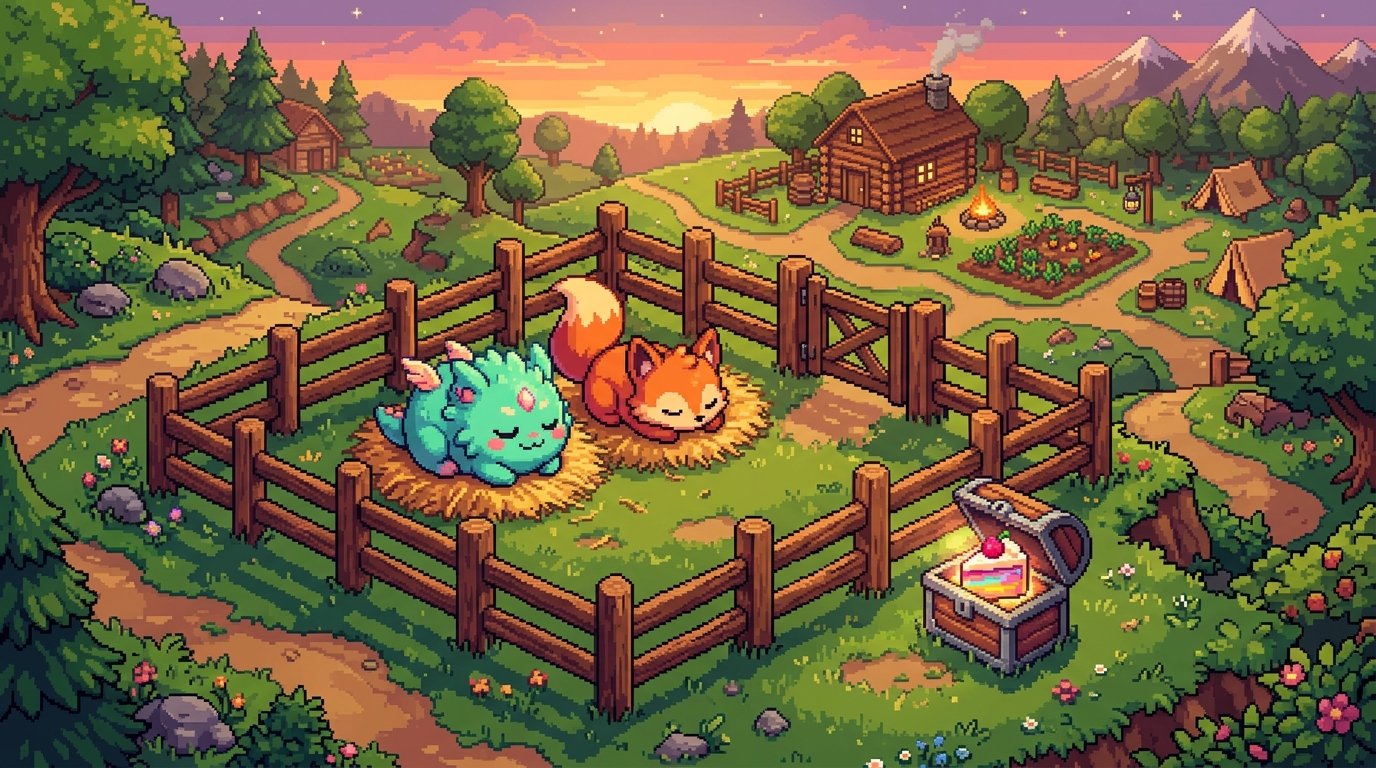
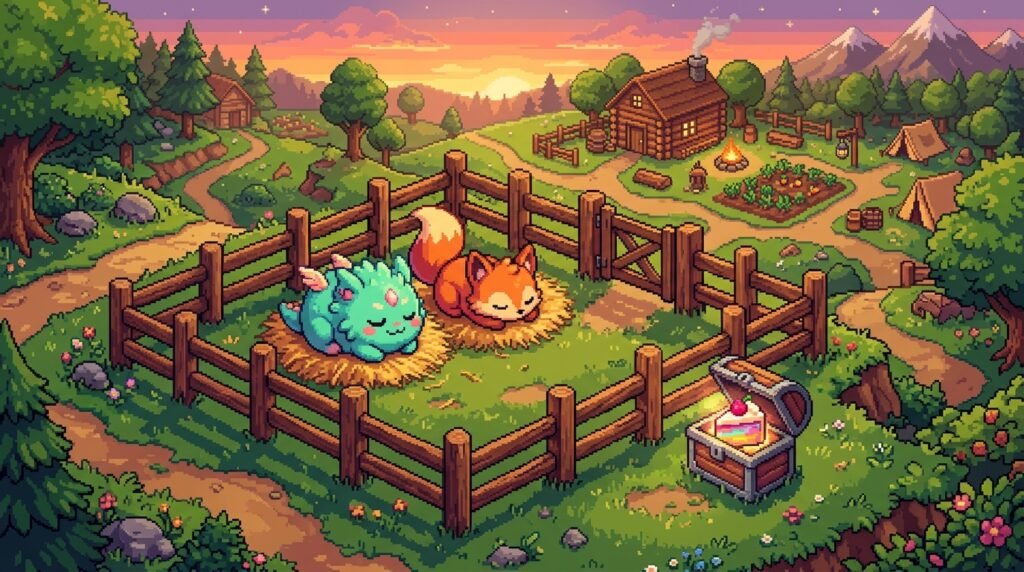
The Breeding Farm is a base structure that lets you pair two Pals together to produce a Pal Egg. That egg can then be hatched in an Egg Incubator, producing offspring that may inherit Passive Skills from either parent — which is the fastest way to build stat-boosted, high-tier Pals without relying purely on wild catches.
Unlike catching Pals in the field, using a Palworld breeding farm gives you control. You choose the parents, you influence which passives get passed down, and with the right combinations you can even produce species that don’t spawn naturally in the open world.
Requirements to Unlock the Breeding Farm
Before you can use the breeding station, you need to hit a few prerequisites:
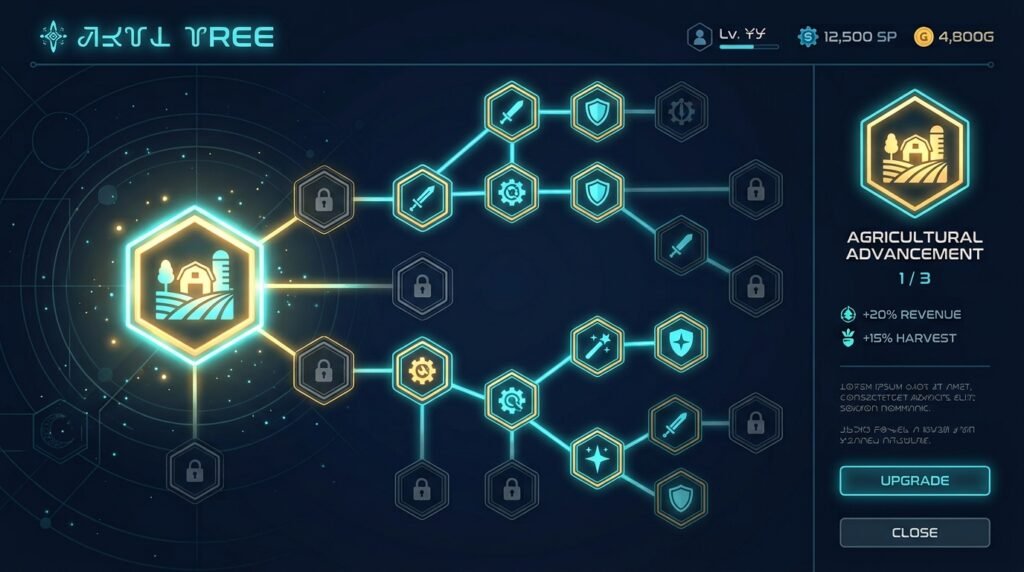
- Player Level 19 — the Breeding Farm unlocks in the Technology Tree at this level.
- 2 Technology Points to unlock the blueprint.
- Building materials: 100 Wood, 20 Stone, and 50 Fiber.
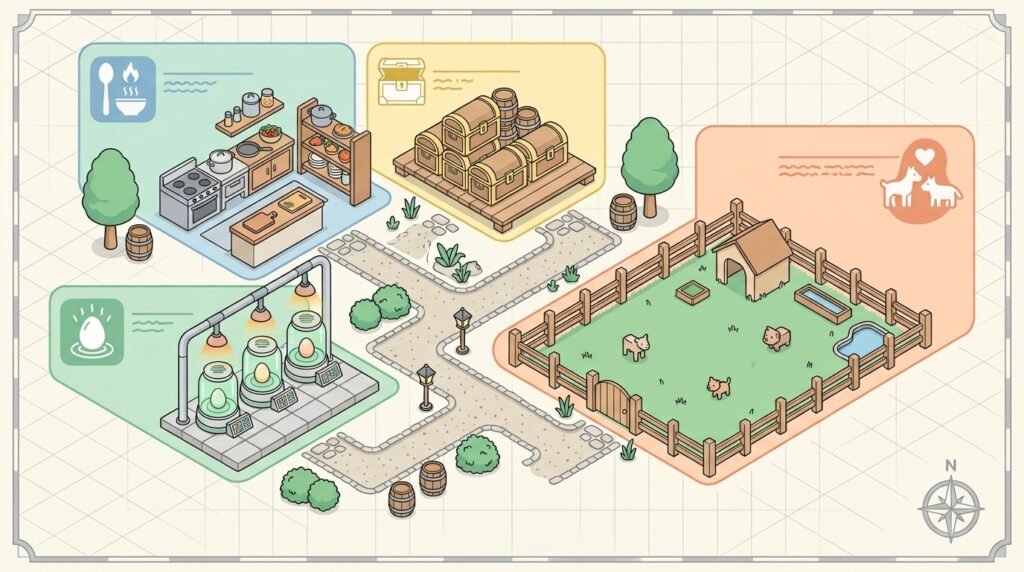
- A base with open, flat space — the structure is large, and Pals need room to path in and out of it without getting stuck on terrain or other buildings.
Before Level 19, it’s worth prepping two other stations so you’re not stuck waiting once the Breeding Farm is unlocked:
- Cooking Pot (Level 17) — needed to bake Cake.
- Egg Incubator (also unlocked earlier in the tree) — needed to hatch whatever egg the farm produces.
Step-by-Step: How to Use Breeding Farm Palworld
Step 1: Build the Breeding Farm at Your Base
Place the structure inside your base perimeter, ideally with a large open footprint. Bases like ones built around Mossanda or Mammorest territory need extra clearance since some Pals are physically massive and need room to path to the farm.
Step 2: Bake and Stock Cake
This is the step most players get wrong. Cake is mandatory — without it, the two Pals will sit in the Breeding Farm indefinitely and do nothing. To bake Cake in the Cooking Pot, you’ll typically need:
- Red Berries
- Flour (from Wheat, processed at a Mill)
- Eggs (from Chikipi in a Ranch)
- Milk (from Mozzarina)
- Honey (from Beegarde)
Once baked, place the Cake into the wooden chest attached to the right side of the Breeding Farm — not your personal inventory, and not a general base storage box. If the Cake isn’t in that specific chest, breeding won’t begin.
Step 3: Assign One Male and One Female Pal
Pick up a Pal using the Pick Up keybind and physically throw it into the Breeding Farm’s boundary. Repeat with a second Pal of the opposite gender. You can also use the Monitoring Stand (unlocked earlier in the tree) to assign Pals directly to the station without manually carrying them.
Two critical rules:
- The Pals must be opposite genders — two males or two females will never breed.
- Both Pals must already be assigned to that base — Pals sitting idle in your active party will not breed, even if you’re standing right next to the farm.
Step 4: Wait for “Love Is Blossoming”
Once conditions are met, you’ll see the on-screen message “Love is blossoming between the two Pals!” and a progress bar will appear above the structure. This confirms the breeding farm is actually active — if you never see this message, something in Steps 2 or 3 hasn’t been met yet.
Step 5: Collect the Egg and Incubate It
Once the timer completes, a Pal Egg appears near the farm. Pick it up and carry it to an Egg Incubator. Hatching time ranges from a few minutes to several hours depending on the egg’s rarity — rarer eggs take noticeably longer.
Step 6: Repeat for Multiple Projects
If you’re running several breeding goals at once (for example, working toward two different target species), it helps to build a second Breeding Farm rather than swapping parent Pals in and out of one. Swapping pairs mid-project is the single biggest cause of “wasted” eggs that don’t match what you intended to breed.
Why Isn’t Your Breeding Farm Working? (Troubleshooting)
This is the exact problem a lot of players hit — and it’s usually one of these five things:
- No Cake in the chest. The farm looks “active” but nothing happens because the Cake slot is empty or the Cake expired before it was consumed.
- Same-gender pairing. Double-check both Pals’ genders in the Paldex menu — it’s an easy mistake to make at a glance.
- Pals aren’t assigned to the base. If a Pal is still in your active party slot, it won’t breed even sitting inside the farm.
- Pathing issues. If the farm was built too close to terrain, walls, or a cliff edge, Pals can get stuck outside the collision boundary and never actually register as “inside.”
- Unbreedable Pals. A small number of Legendary, Raid Boss, and Event Pals cannot reproduce at all, or can only breed with their own species. If you’ve paired one of these expecting a hybrid result, that’s why nothing is progressing.
If you’ve checked all five and it’s still stuck, try removing both Pals, waiting a few seconds, and reassigning them — this resets the farm’s internal check and often clears a silent bug.
Tips for a More Efficient Breeding Setup
- Keep 10–20 Cakes stocked before starting a serious breeding session so farms never sit idle waiting on ingredients.
- Store spare Cake inside the Breeding Farm’s chest itself rather than a fridge — it’s a convenient way to prevent spoilage if you don’t have refrigeration unlocked yet.
- Breed for single, clean passive traits first. Pairing two Pals that each carry one clear positive passive makes it much easier to predict what carries over to the offspring, compared to parents with four mixed passives.
- Label or sort your Palbox by passive skill so you can quickly grab the right parent without digging through your full roster.
- Release or sell failed hatches. Don’t let your Palbox fill up with offspring you didn’t want — it slows down future sorting and base management.
Best Practices for Choosing Breeding Pairs
Palworld uses a hidden “breeding power” value assigned to every species. When two Pals breed, the game averages their combined value and maps that number to a resulting species — meaning outcomes are not random, and the same pair will reliably produce the same result every time.
This is why serious breeders plan multi-generation chains: rather than trying to combine two rare Pals directly, they use inexpensive, common Pals as “stepping stones” to gradually shift the average breeding power toward a target species. For a full walkthrough of specific pairings, see our Palworld Breeding Combinations Guide — internal link placeholder, replace with your own URL.
If you’re setting up your base for the first time, our Palworld Base Building Guide covers layout planning that works well alongside a breeding operation — internal link placeholder, replace with your own URL.
FAQ: Palworld Breeding Farm
Level 19, requiring 2 Technology Points and 100 Wood, 20 Stone, and 50 Fiber to build.
The most common cause is a missing Cake in the attached chest, followed by same-gender pairing or a Pal not being assigned to that specific base.
Yes — as soon as two valid Pals are assigned to the farm, the Cake is consumed right away, so only add it once you’re ready to start breeding.
Yes. Pairing two of the same species produces another of that species, which is useful for simply increasing your numbers of a specific Pal rather than creating a hybrid.
It varies by rarity — anywhere from a few minutes for common eggs to several hours for rare or Large/Huge eggs.
Final Thoughts
Using the Breeding Farm in Palworld comes down to three non-negotiables: opposite-gender Pals, a Cake in the correct chest, and both Pals assigned to that base. Get those three right, and the rest of the system — from passive inheritance to multi-generation breeding chains — opens up as a genuinely deep endgame loop rather than a confusing wall.
For deeper dives into specific pairings and passive skill stacking, check out the related guides linked above, or explore the official Palworld website for patch notes affecting breeding mechanics.