Palworld Mutation Breeding Guide: How to Get Mutated Eggs (1.0)
Palworld’s 1.0 update didn’t just add new Pals — it added an entirely new breeding mechanic called Mutation. Every egg you hatch now has a small chance of coming back as something completely different: a rare Alpha-status Pal with maxed-out stats and a passive skill that never existed before this update. If you’ve been using our Palworld Breeding Calculator to plan perfect combos, Mutation is the new layer sitting right on top of that system — and this guide breaks down exactly how it works and how to farm it efficiently.
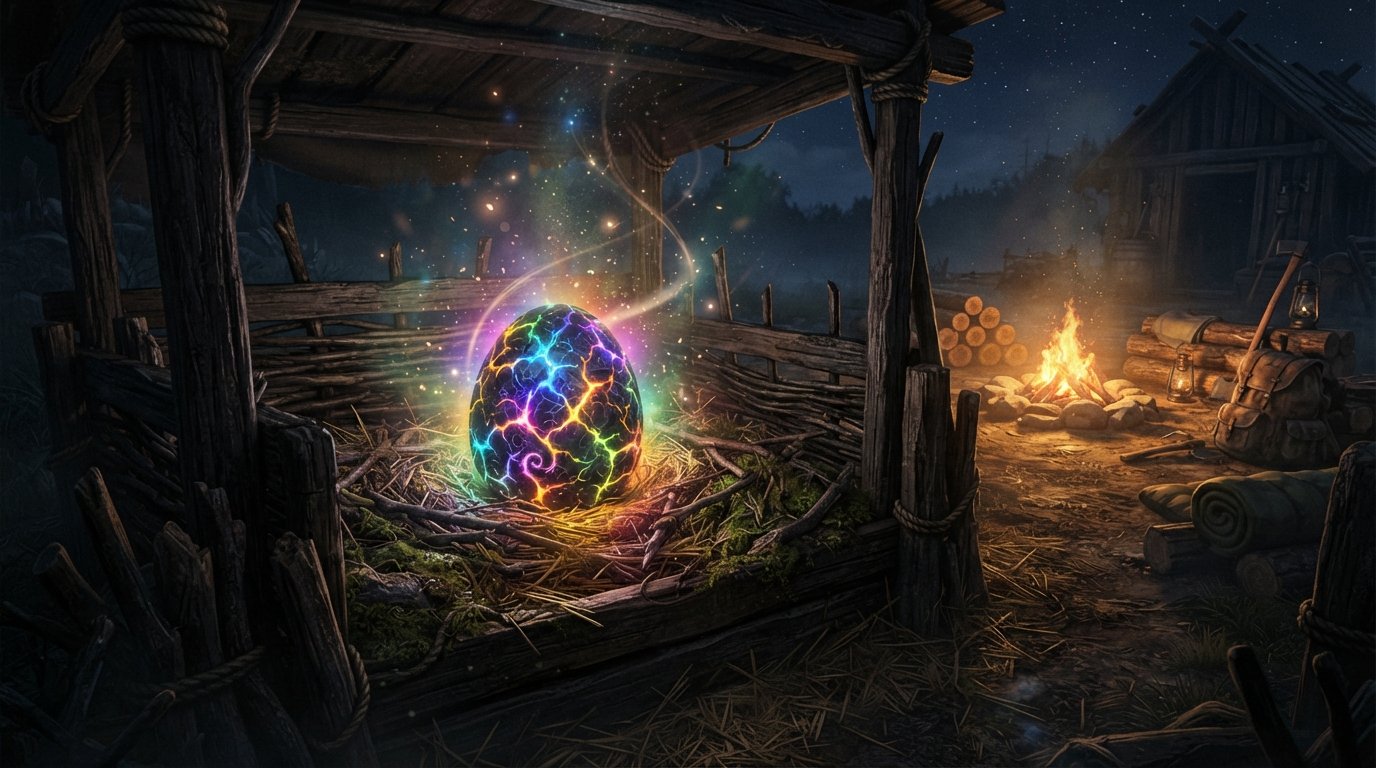
What Is Mutation Breeding in Palworld?
Normal breeding in Palworld follows a fixed formula — two parent Pals always produce a predictable child based on their internal rank values. Mutation breaks that rule. When two Pals breed, there is now a small random chance that the resulting egg becomes a Mutated Egg instead of the expected offspring.
A Mutated Egg does not hatch a stronger version of the child you were breeding for. Instead, it hatches a completely different Pal — usually in Alpha form — with:
- Individual Values (IVs) rolled in the 91–100 range on every stat
- Alpha status and a head start on condensation stars
- One exclusive “rainbow” passive skill that cannot be caught or bred any other way
Because the outcome species is random, players treat Mutation as a separate side-goal layered on top of normal breeding rather than a replacement for it. You still breed for the child, species, and passives you actually want — Mutation is the bonus roll that happens along the way.
Mutation Odds and the New Breeding Cakes
You can’t force a Mutation to happen, but you can noticeably shift the odds using the new cake recipes added in 1.0. Each cake feeds into a different part of the breeding process, so picking the right one for your goal matters.
| Cake | Effect | Best Used For |
|---|---|---|
| Mushroom Cake | Small chance of higher stat growth on hatch | Early breeding, before you commit to a mutation project |
| Vegetable Cake | Produces two eggs per breeding cycle instead of one | Stockpiling eggs quickly to get more mutation attempts |
| Deluxe (Extravagant) Vegetable Cake | Directly raises Mutation odds and biases stat growth upward | The dedicated cake for actively farming Mutated Eggs |
| Special Cake | Improves the chance of inheriting multiple parent passives at once | Locking in your desired passive stack before you start mutation farming |
Community testing on the 1.0 client points to a low base Mutation chance on standard cakes, with the Deluxe/Extravagant Vegetable Cake pushing those odds noticeably higher. The numbers are still being refined as players dig through the update, but the pattern is consistent across every report: this cake is the one to keep in your breeding farm’s feed box whenever you’re actively hunting for a Mutation.
Step-by-Step: How to Farm Mutated Eggs
- Breed for good passives first. Set up a parent pair with the passive skills you’d actually want on a keeper Pal. A Mutation with bad passives underneath it is still a wasted roll. Use our Breeding Calculator to confirm your parent pair before committing any Cake to the project.
- Lock in a stable breeding pair. Mutation is a volume game — the more eggs you pull from the same pair, the more rolls you get. Don’t keep swapping parents.
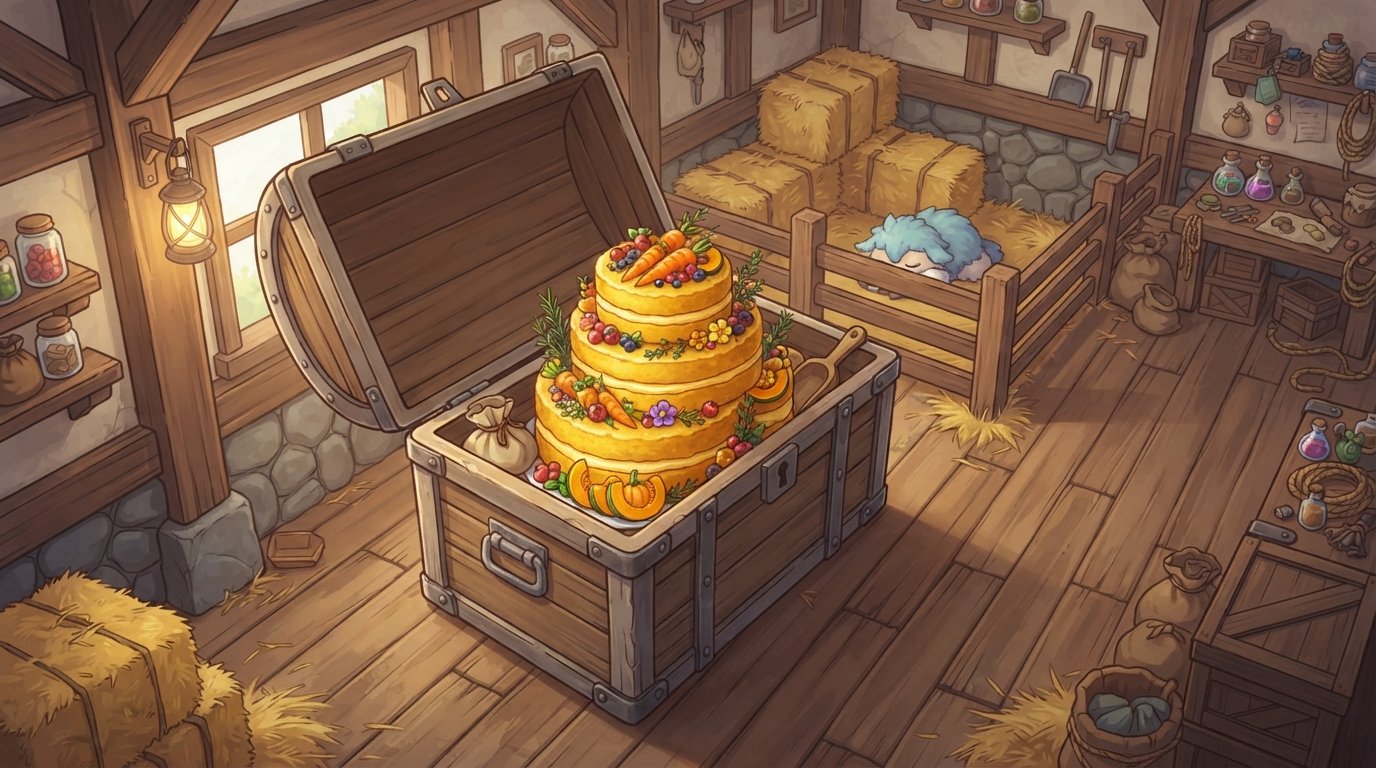
- Stock the farm chest with Deluxe Vegetable Cake. Keep the Cake in the breeding farm’s own storage so base workers don’t eat it before it’s used.
- Hatch in bulk and inspect every egg. You’ll know you’ve hit a Mutation when the egg produces a different Alpha species with high IVs and a rainbow passive instead of the offspring you expected.
- Assign a Babysitter-passive Pal to the farm. This passive speeds up both egg-laying and incubation, which loops directly back into more mutation attempts per hour.
- Switch to Special Cake once you have the passive you want. After pulling a rainbow passive from a Mutated Egg, breed that Pal further to pass the trait onto your main lineup.
Why Mutation Changes What “Perfect” Means
Before 1.0, the breeding endgame was simple: land four ideal inherited passives on a high-rank Pal and call it done. Mutation adds a second finish line on top of that. The current aspirational build is a Mutated Pal carrying its exclusive rainbow passive plus a solid inherited stack from careful parent selection — which is why serious breeders now treat Mutation hunting as a long-term project rather than a lucky one-off.
It’s also worth pairing Mutation breeding with the other new 1.0 system, Awakening, which uses Radiant Gems to push an already-strong Pal’s stats and moveset even further. Breed first, then Awaken the keeper — Awakening improves a good Pal, it doesn’t fix a bad breeding line.
FAQ: Palworld Mutation Breeding
Can I force a Mutated Egg to happen?
No. Mutation is a random roll on every bred egg. You can only raise the odds using the Deluxe Vegetable Cake and by running high volumes of eggs through the same breeding pair.
Does a Mutated Egg hatch the Pal I was breeding for?
No. A Mutated Egg hatches an entirely different, usually Alpha-status Pal with new stats and a rainbow passive — not an upgraded version of your intended child.
Can rainbow passives be bred onto other Pals?
Yes. Once you hatch a Mutated Pal with a rainbow passive, you can breed it further and pass that passive down like any other trait, using a Special Cake to improve the odds of it carrying over.
Is Mutation worth chasing early game?
Not immediately. Since the outcome species is random and the passive is the real prize, most players recommend building a stable base and a solid breeding line first, then dedicating a breeding farm specifically to mutation hunting once your core team is set.
For the full rundown of everything else that changed in this patch, see Pocketpair’s official Palworld 1.0 patch notes on Steam. And once you’ve got a Mutated parent worth breeding further, run the pairing through our free Breeding Calculator to map out the fastest path to your next target Pal.